Jakob Carter · 21 September 2026
Clinical Trials Spur Skylight Adoption in UK Hospital Wards to Aid Recovery
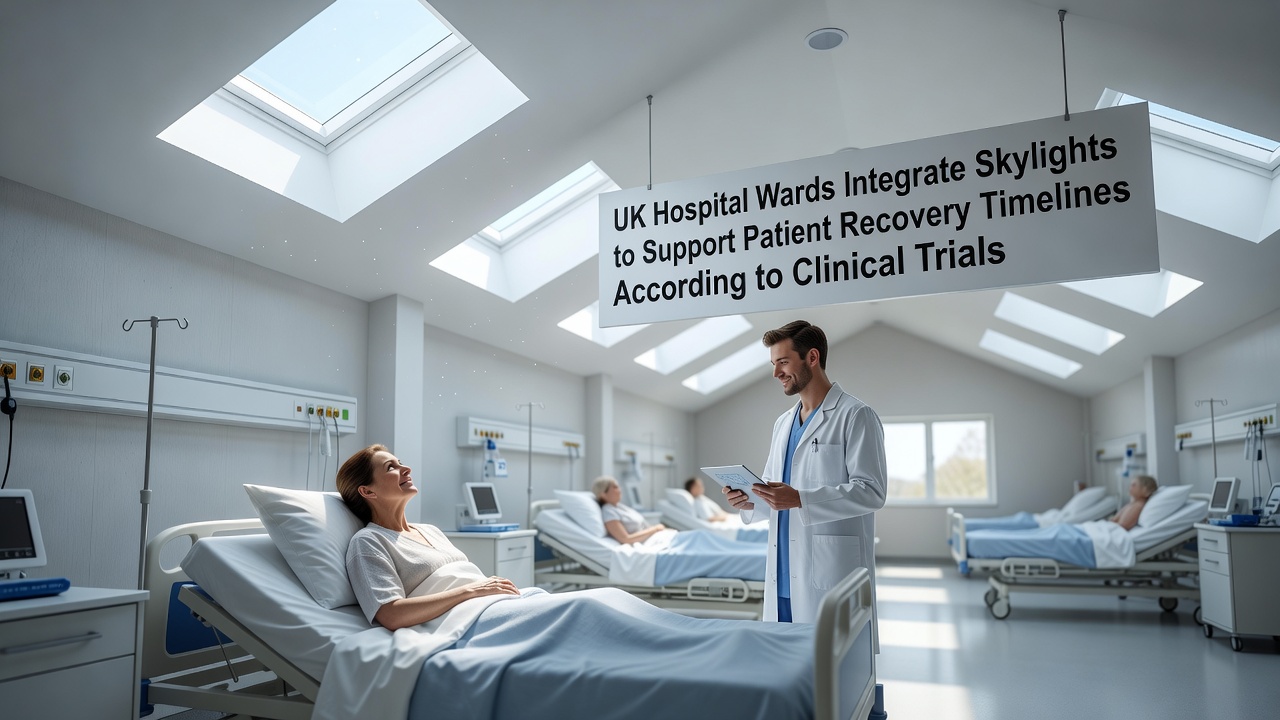
UK hospitals have begun incorporating skylights into ward designs after multiple clinical trials tracked measurable improvements in patient recovery timelines, with data showing reduced hospital stays and lower medication needs in spaces that receive consistent natural light throughout the day. Researchers at several NHS trusts coordinated the studies over a three-year period, monitoring outcomes in both retrofitted and newly built wards while controlling for variables such as patient age, diagnosis, and staff-to-patient ratios.
Trial Design and Key Measurements
Participants in the trials occupied rooms with either traditional fluorescent lighting or newly installed skylights that delivered diffuse daylight from early morning through late afternoon, and observers recorded daily metrics including sleep duration, pain scores, and time to discharge. One study conducted across three London facilities found that patients in skylit wards averaged 1.8 days shorter stays for orthopedic procedures, while similar patterns emerged in Manchester and Birmingham sites for respiratory and post-surgical cases. Data collection continued through seasonal changes to account for variations in daylight hours, and findings remained consistent when researchers adjusted for building orientation and window size.
Implementation Across NHS Trusts
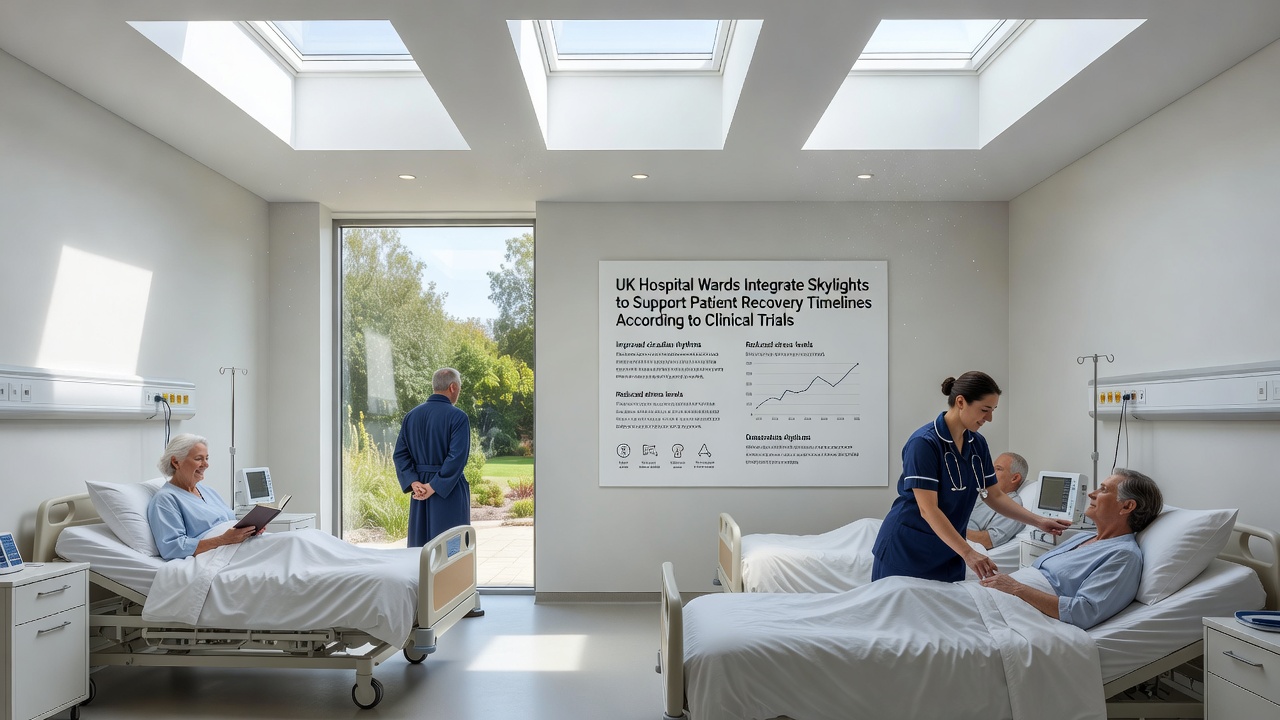
Following the release of interim results in early 2025, several trusts initiated phased skylight installations using modular systems that fit existing roof structures without major structural alterations. Procurement teams selected units with automated shading and low-emissivity glazing to maintain thermal performance while maximizing visible light transmission, and maintenance logs indicate these systems require only quarterly cleaning cycles. By September 2026, rollout schedules at ten additional sites will incorporate feedback from the initial installations, including adjustments to skylight placement above bed bays to ensure even light distribution across all patient positions.
Measured Outcomes from Multiple Sites
Across the participating wards, reduced use of analgesics and sedatives appeared in patient records for those exposed to higher daylight levels, with teh most pronounced differences occurring in long-stay units. Staff surveys conducted alongside the clinical data noted fewer calls for night-time lighting adjustments, which contributed to quieter overnight environments. Comparative analysis with control wards that retained standard lighting confirmed the patterns, although researchers emphasize that skylights function as one element within broader care protocols rather than a standalone intervention.
Regional Variations and Adaptation Strategies
Northern trusts encountered different installation challenges compared with southern counterparts because of roof pitch variations and higher rainfall, yet contractors adapted mounting techniques using reinforced curbs and improved drainage channels. In Scotland, one pilot project integrated skylights with existing ventilation upgrades, resulting in combined energy savings that offset a portion of the lighting retrofit costs. Australian health authorities have reported parallel findings in their own daylighting studies, which Australian Department of Health publications reference when discussing ward refurbishment guidelines.
Integration with Existing Building Standards
Design teams aligned skylight specifications with current NHS estate guidelines on daylight factors and glare control, ensuring compliance while meeting the performance benchmarks established during the trials. Procurement frameworks now include clauses that require post-installation light measurements at bed height, and these readings feed into ongoing evaluation databases maintained by the NHS England estates team. Observers note that early coordination between architects, clinicians, and facilities managers helped avoid common pitfalls such as uneven light distribution or excessive heat gain during summer months.
Future Monitoring and Expansion Plans
Longer-term follow-up continues at the original trial sites, with researchers tracking readmission rates and patient-reported outcomes at six-month intervals. Plans announced for 2027 include expanding the dataset to pediatric and mental health wards, where preliminary observations suggest comparable benefits in mood and engagement metrics. A related study from the National Institutes of Health in the United States has begun cross-referencing UK findings with American hospital data to identify consistent daylight thresholds across different healthcare systems.
Conclusion
Clinical evidence gathered to date supports the continued integration of skylights in UK hospital wards as one component of recovery-focused design, with ongoing installations scheduled through 2026 and beyond. Monitoring protocols will remain in place to refine placement strategies and confirm sustained benefits across diverse patient populations and building types.