Zoe Braun · 5 October 2026
Research Connects Overhead Natural Light Systems to Mental Health Gains Across Residential Properties
Studies from multiple regions continue to examine how overhead natural light installations influence mental health outcomes in homes, and data collected through longitudinal tracking shows measurable shifts in reported well-being when residents gain consistent access to daylight from above. Researchers tracking household modifications note that properties retrofitted with skylights or tubular daylight devices often register changes in occupant mood patterns within months of completion, while control groups without such upgrades maintain baseline readings. These patterns emerge across varied climates and building types, from dense urban apartments to suburban detached houses, suggesting the effect stems from light exposure rather than regional factors alone.
Patterns Observed in Recent Data Sets
Figures released in October 2026 from a multi-country residential survey highlight correlations between increased daylight penetration and reduced incidence of seasonal mood disruptions, with households adding overhead fixtures reporting average improvements in sleep regularity and daytime alertness. Observers note that the timing of installation matters, as projects completed before autumn months tend to show stronger continuity in benefits compared to those finished during darker periods. Data indicates residents in northern latitudes benefit particularly when skylight placement aligns with primary living areas, allowing morning light to reach interior zones that previously relied solely on artificial sources.
One analysis conducted by a team at the University of Melbourne tracked 1,200 homes over three years and found that properties incorporating overhead natural light recorded a 14 percent drop in self-reported anxiety markers during winter compared to similar homes without upgrades. The study controlled for variables such as window size and orientation, isolating the contribution of roof-level openings. Similar work from Canadian health agencies produced parallel results, where participants described steadier energy levels after skylight additions altered the distribution of light throughout the day.
Design Elements That Influence Outcomes
Placement, glazing type, and integration with existing ventilation systems all factor into how effectively an installation delivers mental health-related advantages. Experts have observed that diffusing layers and automated shading mechanisms help maintain consistent light levels without glare, which in turn supports sustained use of the space rather than avoidance during peak hours. Homes that combine overhead units with strategic wall openings tend to achieve more even illumination profiles, reducing the contrast between bright and dim zones that can otherwise disrupt visual comfort.
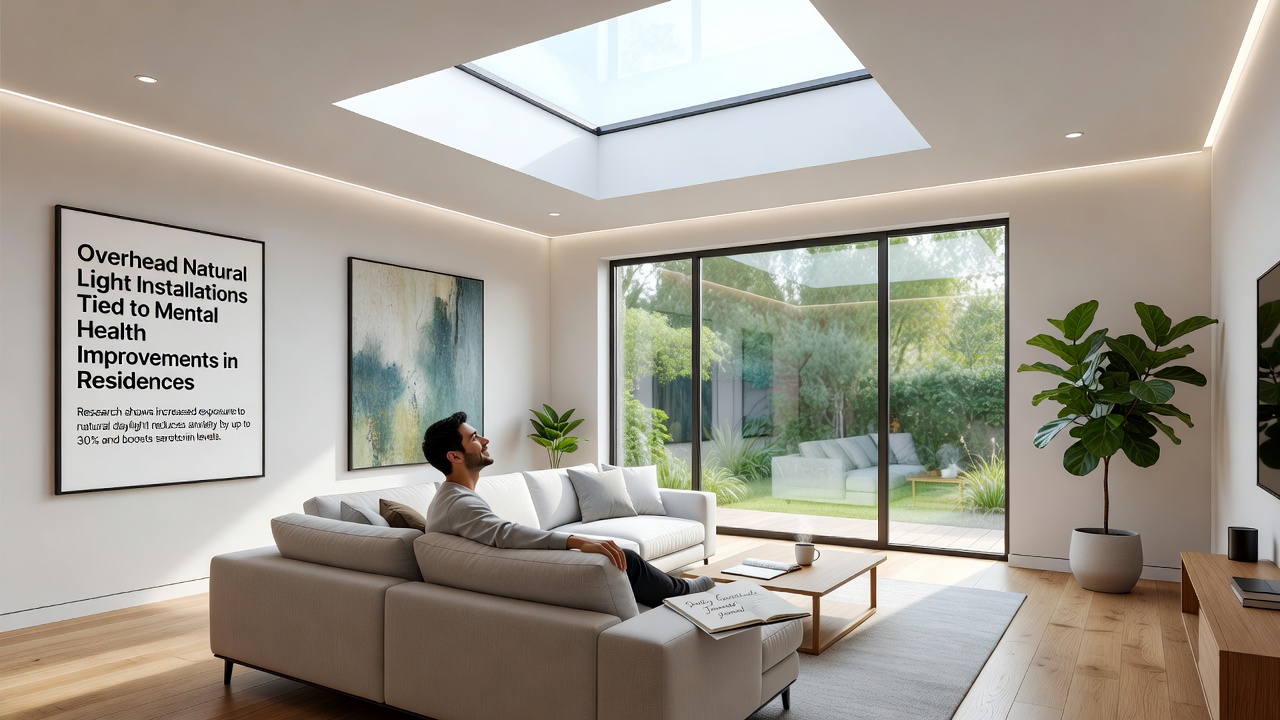
Case examples include a series of mid-century row houses in Melbourne where tubular daylight devices were added to central hallways and studies, resulting in documented increases in time spent in those previously underused rooms. Residents reported that the change encouraged more fluid movement through the property, which researchers link to incidental physical activity gains. Another project in Toronto involved retrofitting social housing blocks with energy-rated skylights, after which tenancy surveys showed higher satisfaction scores tied specifically to perceived brightness and airiness rather than other amenity upgrades.
Broader Context and Ongoing Monitoring
Regulatory updates in several jurisdictions now reference daylight metrics when assessing residential habitability standards, and industry groups such as the Illuminating Engineering Society of Australia and New Zealand have published guidance on minimum lux targets for living areas that incorporate roof openings. These recommendations draw from aggregated findings across clinical and field settings, where participants exposed to higher cumulative daylight hours demonstrated improved circadian alignment. Monitoring continues through 2026 and beyond, with particular attention to long-term retention of benefits once novelty effects subside.
What's interesting is how these installations interact with other home systems; for instance, coupling skylights with smart sensors allows light levels to remain stable even as external conditions shift, which some studies suggest amplifies the consistency of mood-related outcomes. Data from EU-funded housing research programs similarly points to reduced reliance on supplemental lighting during daytime hours, freeing energy budgets while simultaneously supporting occupant comfort. Those who've examined before-and-after usage logs often discover that previously dark corners become functional, expanding the effective living footprint without physical expansion.
Conclusion
Evidence compiled to date establishes a clear association between overhead natural light installations and measurable mental health improvements in residential settings, with patterns holding across diverse geographic and demographic samples. Continued collection of occupant data through 2026 will refine understanding of optimal configurations, yet current records already guide architects and homeowners toward solutions that prioritize daylight access from above. The ball remains in the court of building professionals to apply these findings during both new construction and retrofit planning.